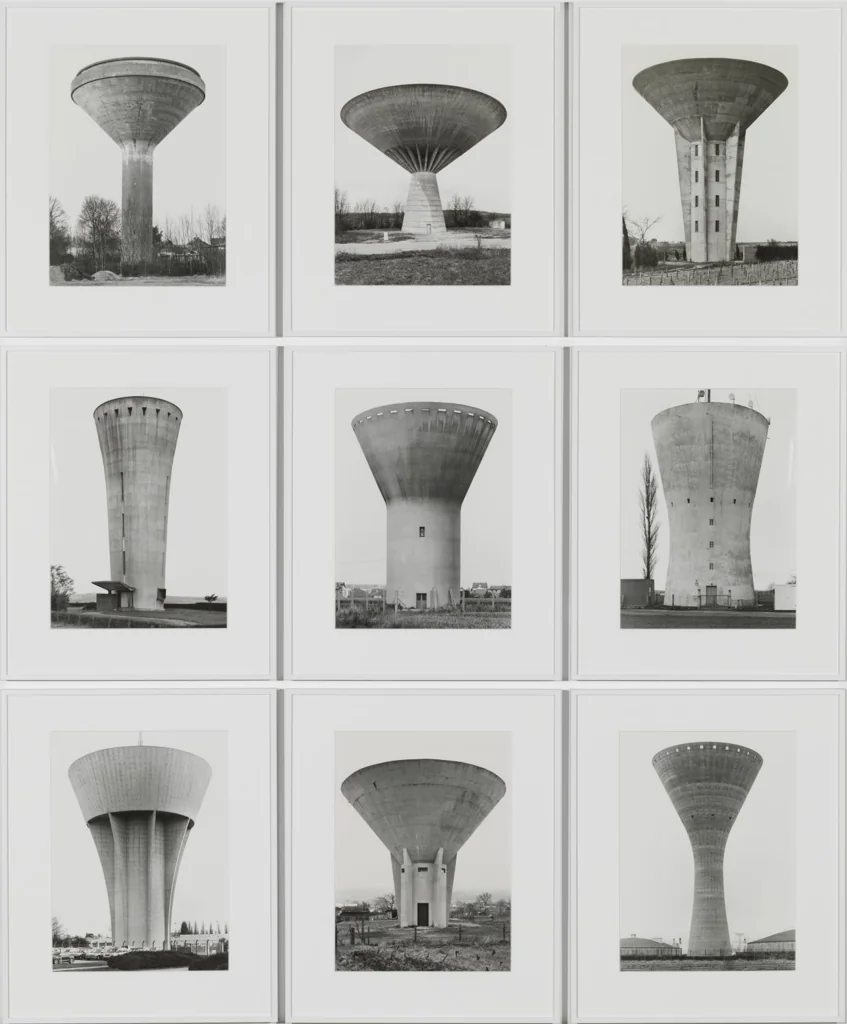
Water Towers
A cool, gridded arrangement of black-and-white industrial photographs, each isolated inside a broad white mat and pale frame. The visual language is forensic and restrained: frontal viewpoints, even light, centered concrete forms, and repeated architectural silhouettes create a typological rhythm. The mood is quiet, archival, and analytic, with texture coming from gelatin-silver grain, concrete surfaces, and the precise spacing of the installation grid.
Visual index
Form vertical industrial silhouettesflared cylindrical volumeswater-tower typologiesfrontal architectural portraiturerepeated sculptural geometries
Mood clinicalarchivalquietsystematicmonumental but restrained
Color black and whitesoft gray tonal rangewhite mattinglow-contrast neutralsconcrete grays
Texture photographic grainweathered concretemat board smoothnessindustrial surface patinasubtle tonal gradation
Composition strict 3-by-3 gridcentered single-object framingconsistent marginsserial repetitionmuseum-style installation layout
Related images
artistvaudience.wordpress.comcultural lineage
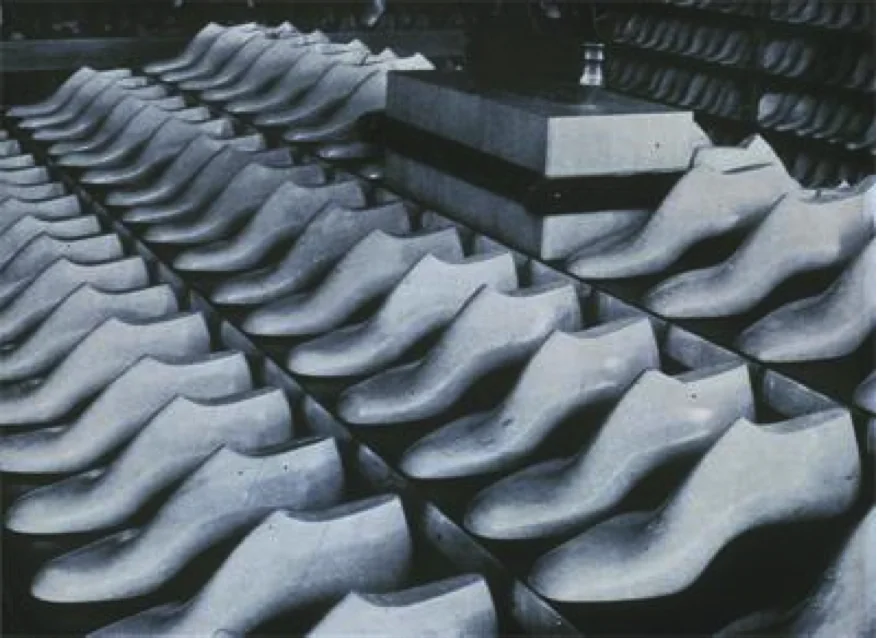
New Objectivity industrial photography
Albert Renger-Patzsch, Die Welt ist schön / The World Is Beautiful, 1928
Look for the unsentimental clarity, tonal discipline, and attention to surfaces as evidence. The object is not dramatized; it is presented as a studied specimen with dignity and exactness.
Shared black-and-white clarity, industrial subject discipline, sharp descriptive detail, unsentimental observation
Different less serial grid structure, more varied subject matter, stronger single-image emphasis
Image search
Albert Renger-Patzsch Die Welt ist schön industrial objects 1928
formal echo
Typological scientific imaging
Karl Blossfeldt, Urformen der Kunst / Art Forms in Nature, 1928
Attend to the way repetition turns individual objects into a visual taxonomy. Differences in profile, rim, stem, and proportion become the main drama.
Shared specimen-like isolation, repeated forms, neutral presentation, comparative looking
Different botanical rather than architectural forms, studio-background setting, closer macro scale
Image search
Karl Blossfeldt Art Forms in Nature botanical plate photographs
monovisions.comcompositional relationship
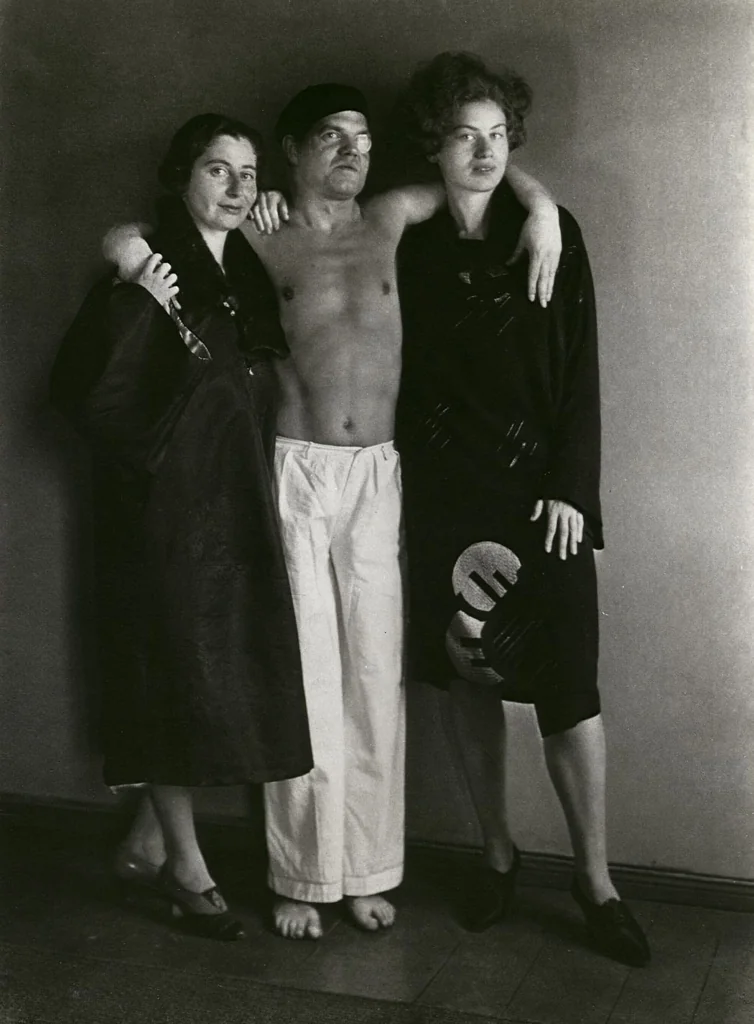
August Sander typological portraiture
August Sander, People of the 20th Century, 1920s–1950s
Notice how consistency of framing makes small differences meaningful. In both cases, the viewer scans across a series rather than reading one image as a decisive moment.
Shared frontal stance, serial classification, neutral lighting, archive-like structure
Different human subjects, social taxonomy, less emphasis on geometric mass
Image search
August Sander People of the 20th Century portfolio portraits
jhbooks.comperiod relationship
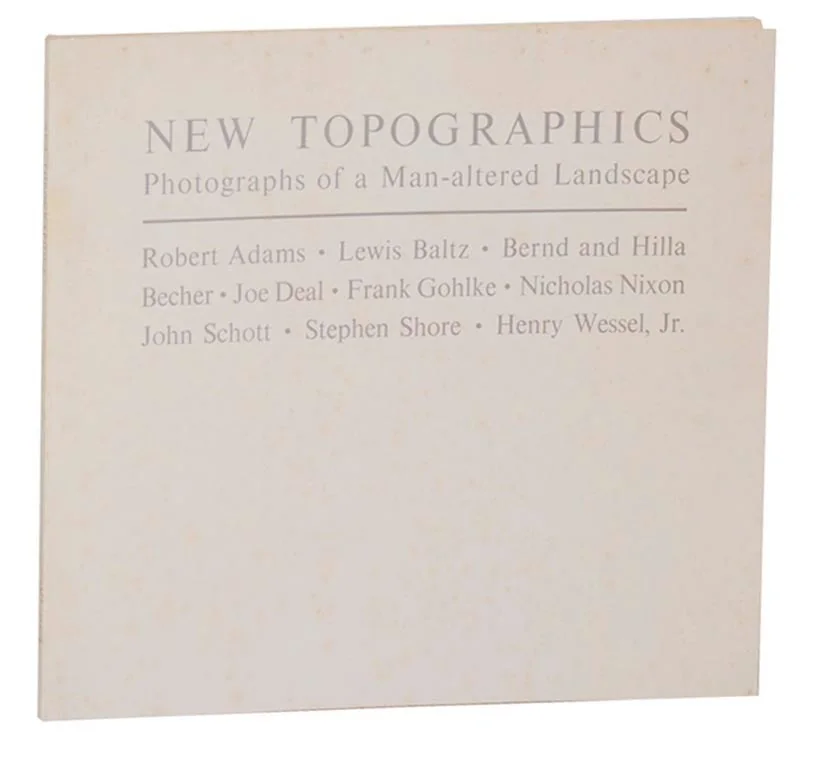
New Topographics landscape photography
New Topographics: Photographs of a Man-Altered Landscape, 1975 exhibition
Look for the deliberately plain viewpoint and the refusal of picturesque drama. The landscape functions as evidence of systems, utilities, and modern planning.
Shared man-altered landscape, deadpan viewpoint, industrial infrastructure, reduced emotional temperature
Different more landscape context in New Topographics, less strict object taxonomy, often wider environmental framing
Image search
New Topographics 1975 exhibition Robert Adams Lewis Baltz photographs
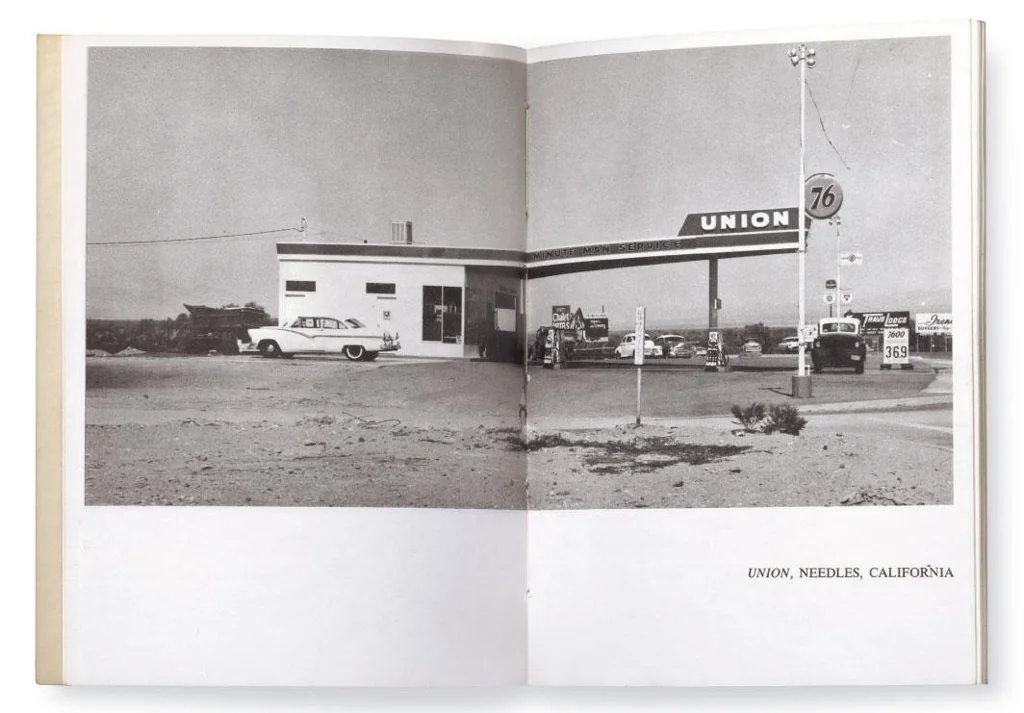
mutualart.commedium reference
Ed Ruscha serial vernacular books
Ed Ruscha, Twentysix Gasoline Stations, 1963
Notice how the sequence matters as much as any single image. The visual interest comes from sameness, small variations, and the dry logic of cataloguing.
Shared serial documentation, vernacular infrastructure, plain photographic style, conceptual repetition
Different book format, roadside commercial architecture, more casual snapshot quality
Image search
Ed Ruscha Twentysix Gasoline Stations first edition photographs
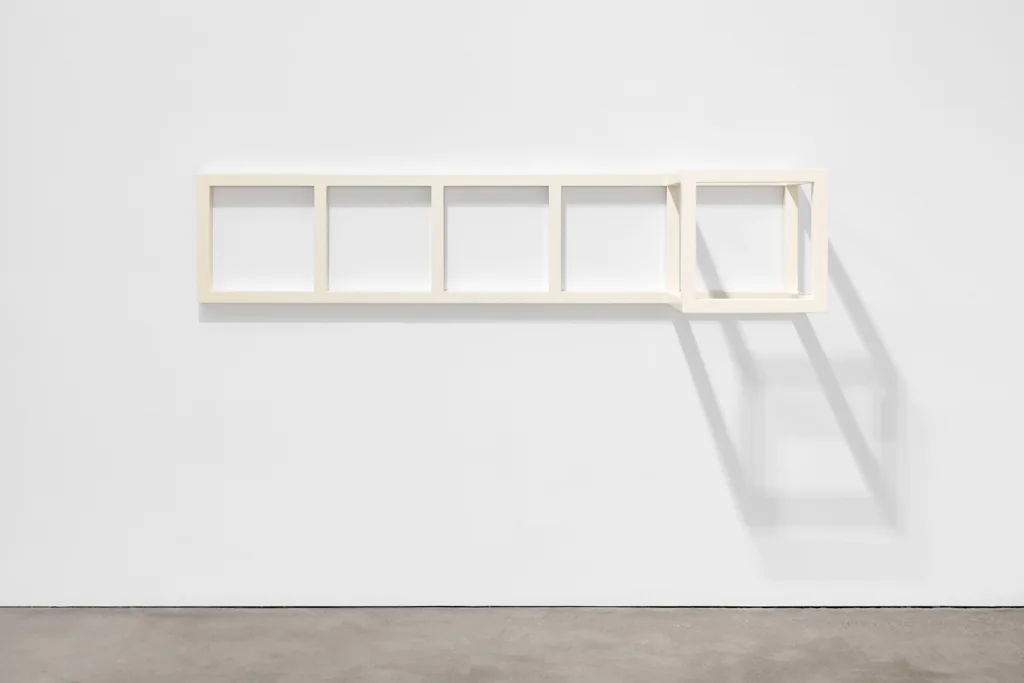
paulacoopergallery.comcompositional relationship
Minimalist grid systems
Sol LeWitt, modular grid drawings and structures, 1960s–1970s
Focus on the equal spacing, repeated units, and controlled difference from cell to cell. The grid becomes a viewing machine that suppresses hierarchy.
Shared modular grid, rule-based repetition, equalized units, reduced visual rhetoric
Different photographic imagery, architectural referents, tonal realism instead of abstract line
Image search
Sol LeWitt modular grid structures 1960s white cube installation
cultural lineage
Düsseldorf School architectural photography
Candida Höfer, Libraries and public interiors, 1990s–2000s
Look at the centered structure, cool distance, and absence of anecdotal human action. Architecture is treated as an ordered system of surfaces, volumes, and institutional signs.
Shared architectural exactitude, cool detachment, symmetrical organization, large-format discipline
Different color photography, interior spaces, more ornate cultural settings
Image search
Candida Höfer library interior photograph Düsseldorf School